Connect this guide with the rest of your visit in the Macao trip planner. Read how the research is made and what its sources establish.
At a glance
Start here
- Choose one historical anchor and one contrasting museum.
- Keep the Macao Museum and Barra museums in separate clusters.
- Use the Museum of Art's current programme to decide whether it fits.
- Verify opening status, admission and exhibitions directly with each venue.
01
Choose a museum question before a building
A useful museum plan begins with subject, not popularity. Choose city history for the Macao Museum, seafaring for the Maritime Museum, visual culture for the Macao Museum of Art, island development for the Museum of Taipa and Coloane History, or motor racing for the Grand Prix Museum. Those institutions answer different questions and should not be treated as interchangeable rainy-day rooms.
The tourism office's museum directory is the best broad inventory, but an institution's own page is the better final check. Read the description, current programme and visitor information. If the most relevant gallery is unavailable, switch to another venue that answers the same question rather than crossing Macao for a name that no longer fits the day.
- Write one question you want the museum to answer.
- Pick one anchor and one optional contrast.
- Check the institution's own notice before departure.
02
Start with city history at the Macao Museum
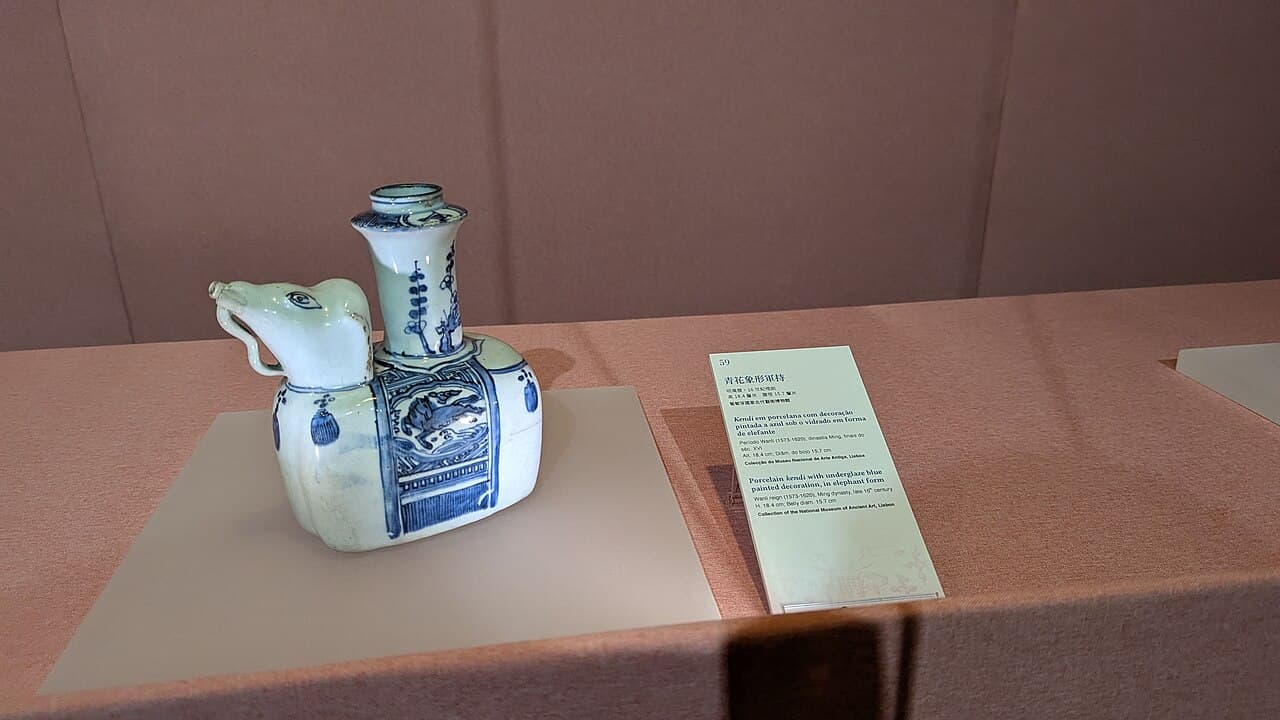
The Macao Museum is the clearest anchor for understanding the territory across multiple periods and communities. Its official permanent-exhibition page organizes material over three levels. The first introduces early history, international commerce and cultural contact; later displays address popular traditions, religious ceremonies and the ways daily life changed in the modern city.
This is the place to build a chronological framework before seeing monuments outside. Focus on how objects explain trade, settlement and ordinary life instead of trying to memorize every label. The museum sits within the Mount Fortress setting, so the exterior landscape can extend the question from collections to defence and the shape of the old port city.
- Give the permanent display more time than a temporary show.
- Look for links between trade, belief and domestic life.
- Use Mount Fortress as context, not a rushed extra checklist.
03
Read maritime Macao in the Barra cluster
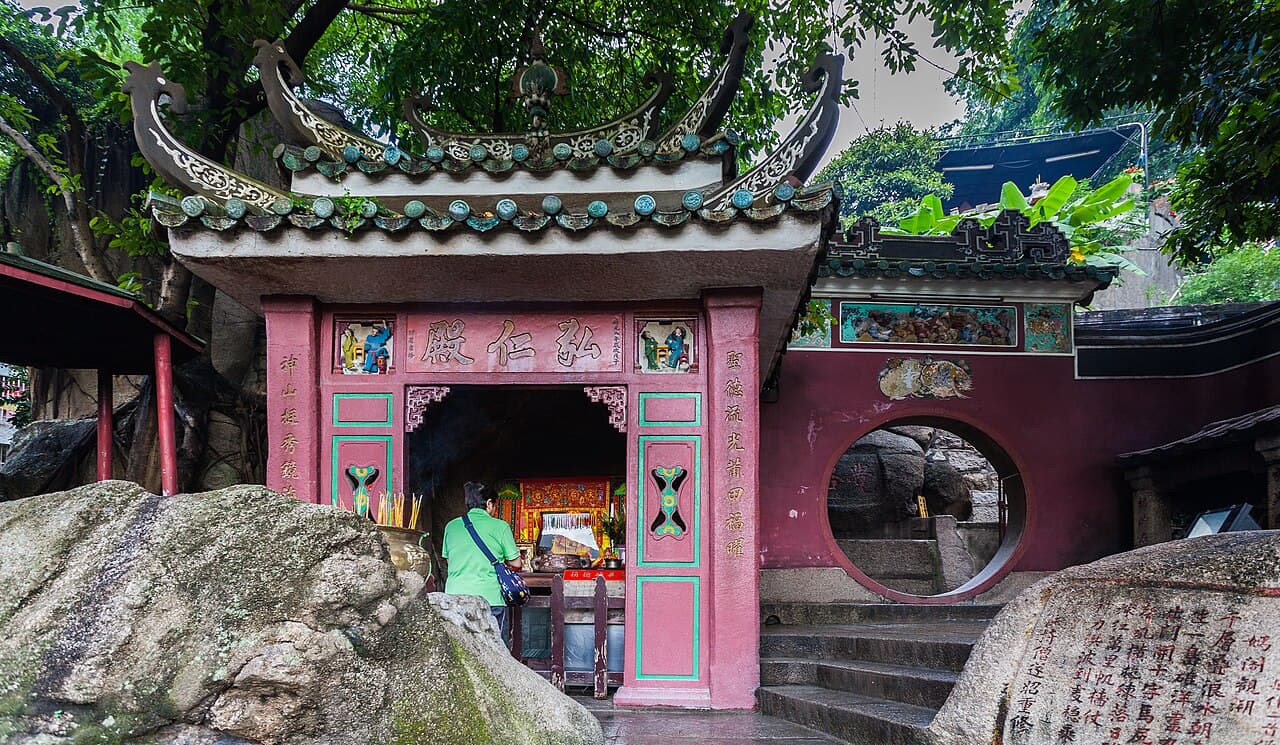
The Maritime Museum belongs with the A-Ma and Barra area, not with the Macao Museum simply because both contain history. The official museum directory places its subject around fishing traditions, navigation and Macao's relationship with the sea. That focus makes it a strong companion to the active temple and waterfront setting outside.
Treat the museum and temple as different institutions with different purposes. Check museum access on the official directory and the responsible authority's current page; at A-Ma Temple, respect worship and posted instructions. If either interior is unavailable, Barra still offers a geographical lesson about the southern edge of the Historic Centre and its maritime orientation.
- Plan Barra as its own half-day cluster.
- Separate museum interpretation from active worship.
- Confirm current Maritime Museum arrangements before travel.
04
Let the Museum of Art programme decide the visit
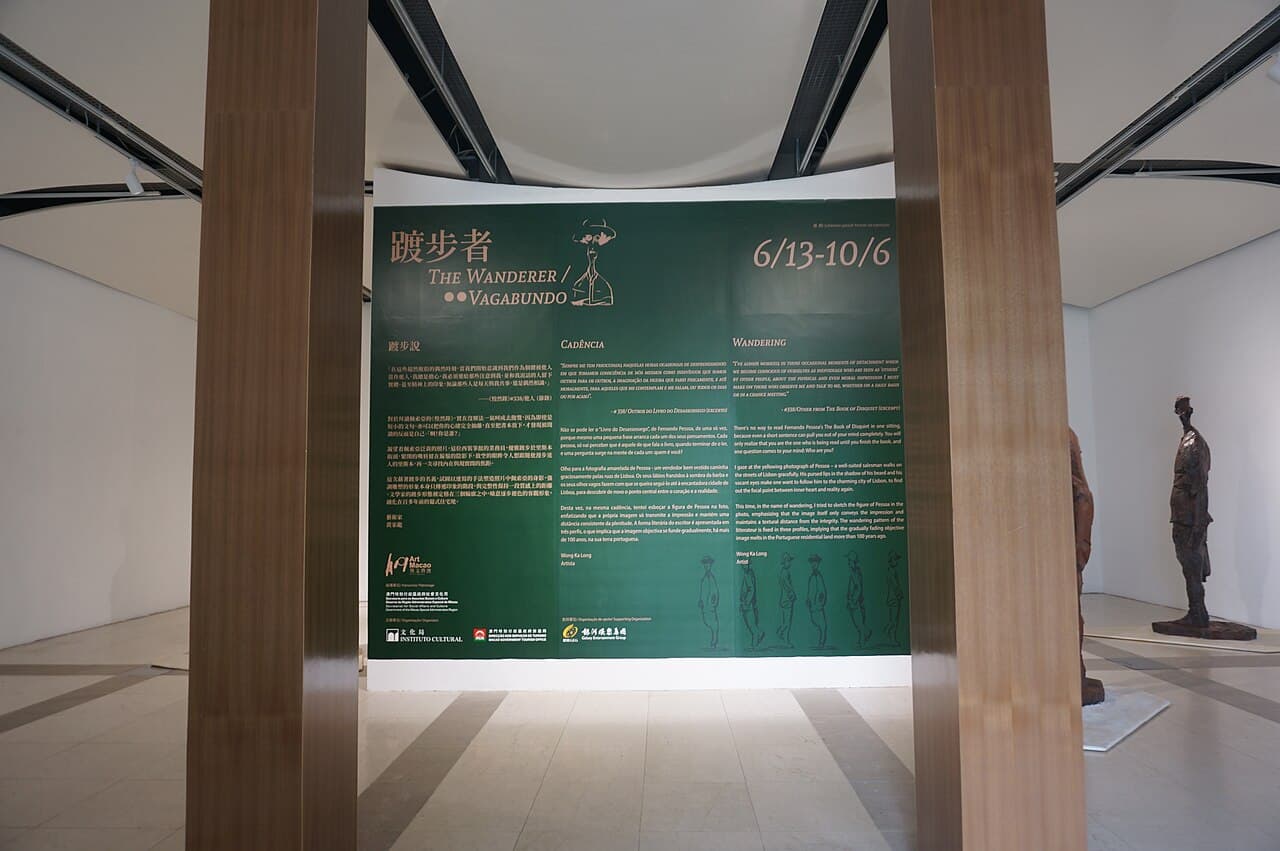
The Macao Museum of Art is designed for changing exhibitions as well as collection displays. Its official page describes floors for Chinese traditional art, the museum collection and large special exhibitions, while its live programme identifies what is currently available. That means the museum is best chosen after reading the programme, not from a generic expectation of a permanent survey.
Choose one exhibition and read its curatorial premise before entering. Compare how it frames Macao, China, Portuguese-speaking contexts or wider art histories with the historical narratives found elsewhere in the city. The adjacent cultural facilities create a separate waterfront arts cluster, so avoid combining it with the southern Barra museums unless transport and energy genuinely support the crossing.
- Check the current exhibition list on the museum's own site.
- Choose one display to examine closely.
- Keep the waterfront arts cluster geographically coherent.
05
Use Taipa's museum to understand the islands
The Museum of Taipa and Coloane History explains a part of Macao that the central peninsula can obscure. Its official introduction says the building began as a public administration building and later became a museum dedicated to preserving and promoting the history and culture of Taipa and Coloane. The displays include archaeological and community material from the islands.
Pair it with Taipa's older streets or the Taipa Houses, but keep the museum as the interpretive anchor. Ask how administration, industry, land and transport changed island life. Rua do Cunha can then be read as a living commercial street rather than the whole story of Taipa. Check the museum's own visitor information before setting the order.
- Use the museum before drawing conclusions from the village streets.
- Look for evidence about work, administration and settlement.
- Add only nearby Taipa places after the museum.
06
Choose the Grand Prix Museum for a specialist story
The Macao Grand Prix Museum is not a substitute for a general city museum. It is a specialist venue about the history and culture of the Macau Grand Prix, with vehicles, circuit interpretation and interactive elements described on its official page. Choose it when racing or modern event history is a genuine interest, not simply because it is large.
Read the current ticket, visitor and opening information on the museum's own site. Interactive elements may have conditions or availability that change, so do not promise a specific simulator or experience to the group before checking. If only one person is interested, decide whether the visit is a shared anchor or a split activity with a clear meeting point.
- Treat it as a deep specialist choice.
- Check current visitor and ticket information directly.
- Agree on a meeting point if interests differ.
07
Assemble one coherent museum day
Build the day from one of three combinations: Macao Museum plus nearby central heritage; Maritime Museum plus the Barra setting; or Museum of Art plus its waterfront cultural neighbours. Taipa's island-history museum belongs with a Taipa day. The Grand Prix Museum works as a focused modern-history alternative. These combinations reduce transfers and give each collection a visible outside context.
On the morning, reopen every official venue page. Check operating status, entry arrangements, temporary exhibitions and any photography or bag rules. Put the least flexible institution first, but leave a public square, garden or neighbourhood walk as the backup. A museum day succeeds when its two venues illuminate each other, not when it produces the highest count.
- Choose a single geographical cluster.
- Verify the live programme and visitor rules.
- Keep a nearby public-space alternative.
Useful answers
Reader questions
Which Macao museum is best for a first visit?
The Macao Museum is the strongest general starting point because its permanent displays cover the territory's history, communities and cultural contact. Choose another museum first only when maritime history, art, island life or motor racing is your main question.
Sources: Macao Museum; Macao Government Tourism OfficeCan I visit the Macao Museum and Maritime Museum together?
You can, but they sit in different peninsula clusters and reward different contexts. A more coherent plan pairs the Macao Museum with central heritage or the Maritime Museum with Barra and A-Ma Temple.
Sources: Macao Museum; Marine and Water Bureau; Macao Government Tourism OfficeDoes the Macao Museum of Art have permanent displays?
Its official page describes collection and Chinese traditional art floors alongside special exhibition spaces. Check the current programme before visiting because the available exhibitions and gallery use can change.
Sources: Macao Museum of ArtWhere can I learn about Taipa and Coloane history?
The Museum of Taipa and Coloane History is the dedicated starting point. Its official material covers the building's former administrative role and its current mission to preserve and explain island history and culture.
Sources: Cultural Affairs BureauRead the evidence
Sources and further reading
These sources support the relevant sections above. Plans and comparisons are editorial suggestions. Check operators for current arrangements.
- Museums and Galleries ↗Macao Government Tourism Office · Research date 14 September 2026
Official directory, subjects and current status cues for museums and galleries across Macao.
- Permanent Exhibitions ↗Macao Museum · Research date 14 September 2026
The Macao Museum's multi-level permanent narrative of history, commerce, cultural contact and daily life.
- Macao Museum of Art ↗Macao Museum of Art · Research date 14 September 2026
Museum floor functions, collections, special exhibition spaces and the current programme.
- Introduction to the Museum of Taipa and Coloane History ↗Cultural Affairs Bureau · Research date 14 September 2026
The museum building's administrative history and its role in preserving and promoting island history and culture.
- Maritime Museum ↗Marine and Water Bureau · Research date 14 September 2026
Official authority page for current Maritime Museum information and visitor notices.
- Macao Grand Prix Museum ↗Macao Government Tourism Office · Research date 14 September 2026
Official specialist-museum purpose, current visitor information, exhibits and ticket guidance.